

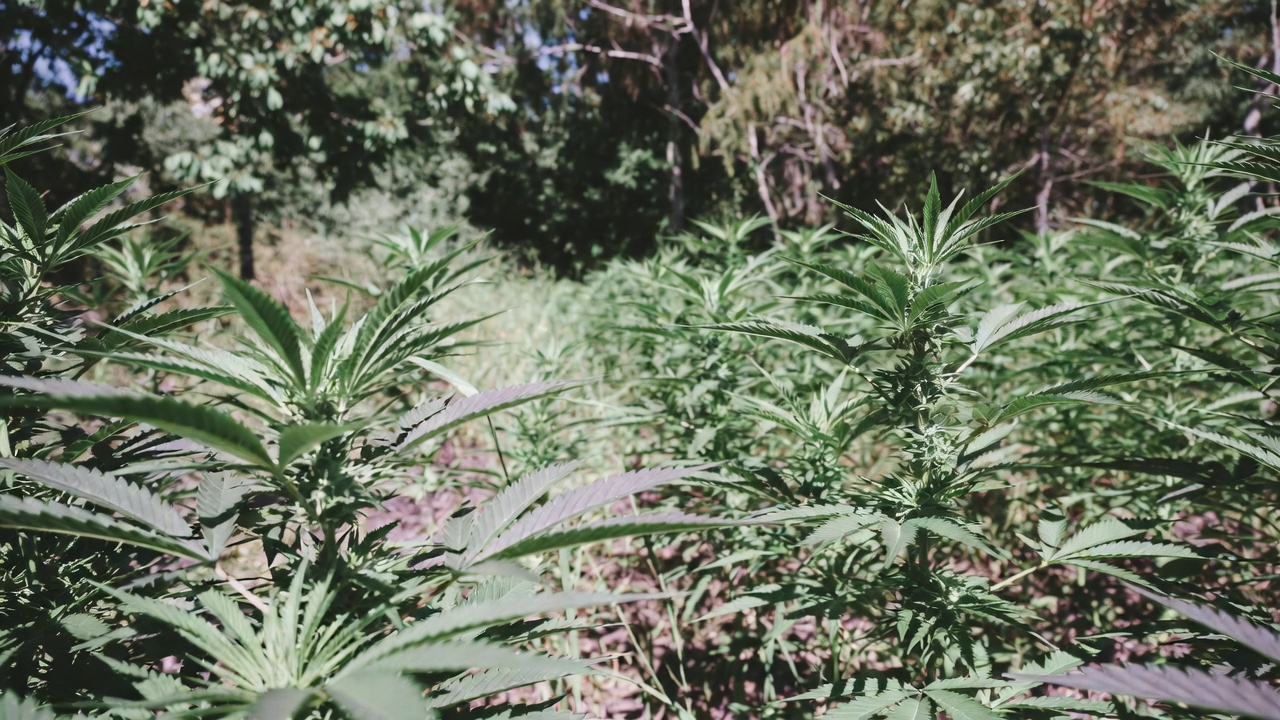
Unlocking the World of Cannabis: Benefits, History, and Modern Uses
Cannabis has emerged as one of the most debated and transformative plants in modern society. From ancient remedies to today’s booming industry, cannabis continues to captivate users, researchers, and policymakers alike. Whether you’re a curious newcomer or a seasoned enthusiast, understanding its multifaceted role is key. In this post, we’ll dive into the essentials of cannabis, exploring its history, benefits, uses, and more.
What Exactly is Cannabis?
Cannabis, scientifically known as Cannabis sativa, is a versatile plant originating from Central Asia. It produces over 100 cannabinoids, the most famous being THC (tetrahydrocannabinol), which delivers psychoactive effects, and CBD (cannabidiol), known for its non-intoxicating therapeutic properties.
The plant is categorized into three main strains:
- Sativa: Energizing and uplifting, ideal for daytime use.
- Indica: Relaxing and sedative, perfect for evenings.
- Hybrid: A balanced blend of the two.
Beyond flowers (buds), cannabis yields seeds, leaves, and hemp fibers used in textiles and food. Its rise in popularity stems from growing scientific validation of its compounds.
A Brief History of Cannabis
Cannabis has a rich history spanning thousands of years. Ancient civilizations in China and India used it for medicine and rituals as early as 2700 BCE. Egyptians incorporated it into healing practices, while Scythians smoked it for spiritual experiences.
In the 19th century, Queen Victoria reportedly used cannabis tinctures for menstrual cramps. The 20th century saw a shift: U.S. prohibition in the 1930s labeled it a “gateway drug,” leading to the 1970 Controlled Substances Act. However, the 1990s medical cannabis movement in California sparked a renaissance.
Today, cannabis legalization is sweeping the globe. Canada fully legalized it in 2018, and over 30 U.S. states allow medical use, with many permitting recreational sales.
Medical Benefits of Cannabis
Research highlights cannabis’s potential in treating various conditions. Here’s a closer look at evidence-backed benefits:
- Pain Relief: THC and CBD interact with the endocannabinoid system to reduce chronic pain, outperforming opioids in some studies.
- Epilepsy: FDA-approved Epidiolex (CBD-based) cuts seizures by up to 50% in rare forms like Dravet syndrome.
- Anxiety and PTSD: Low-dose CBD shows promise in alleviating symptoms without sedation.
- Nausea and Appetite: Effective for chemotherapy patients, stimulating hunger and curbing vomiting.
- Sleep Disorders: Indica strains promote deeper rest.
A 2023 meta-analysis in The Lancet confirmed cannabis’s efficacy for neuropathic pain. Always consult a doctor, as interactions with medications vary.
Recreational Use and Cultural Impact
Recreational cannabis offers relaxation, creativity, and social bonding. Users report enhanced sensory experiences, from music to food.
Popular consumption methods include:
- Smoking: Quick onset via joints or pipes.
- Vaping: Healthier alternative, preserving terpenes for flavor.
- Edibles: Long-lasting effects through gummies or baked goods.
- Tinctures and Topicals: Discreet and precise dosing.
The industry has boomed, with global sales hitting $57 billion in 2023. Celebrities like Snoop Dogg and brands like Canopy Growth have normalized its use, fostering a vibrant culture of festivals, strains, and accessories.
Navigating Cannabis Legality
Laws differ wildly:
- Federally Illegal in the U.S., but states like Colorado and California thrive with dispensaries.
- Europe: Varies; Germany legalized personal cultivation in 2024.
- Asia and Africa: Mostly prohibited, with exceptions in places like Thailand.
Stay informed via resources like NORML.org. Travel with caution—crossing borders with cannabis can lead to severe penalties.
Growing and Consuming Responsibly
Home growing is legal in many places. Start with quality seeds, ensure good lighting (LEDs preferred), and maintain 70-85°F temperatures. Beginners should opt for auto-flowering strains.
Safe Consumption Tips:
- Start low and go slow—5-10mg THC for edibles.
- Hydrate and eat beforehand to avoid “whitey.”
- Choose lab-tested products to avoid contaminants like pesticides.
Potential risks include dependency (rare, ~9% of users), impaired driving, and mental health effects in vulnerable individuals. Moderation is crucial.
The Future of Cannabis
Innovation drives cannabis forward. Expect advancements in:
- Genetics: Tailored strains for specific needs.
- Delivery Systems: Nano-emulsions for faster edibles.
- Research: Psychedelic pairings and sustainable farming.
With public support at 70% in the U.S. (Gallup 2024), full federal legalization seems imminent.
In summary, cannabis bridges tradition and modernity, offering wellness and enjoyment when used wisely. Explore responsibly, stay legal, and tap into its potential. What’s your take on cannabis? Share in the comments!