
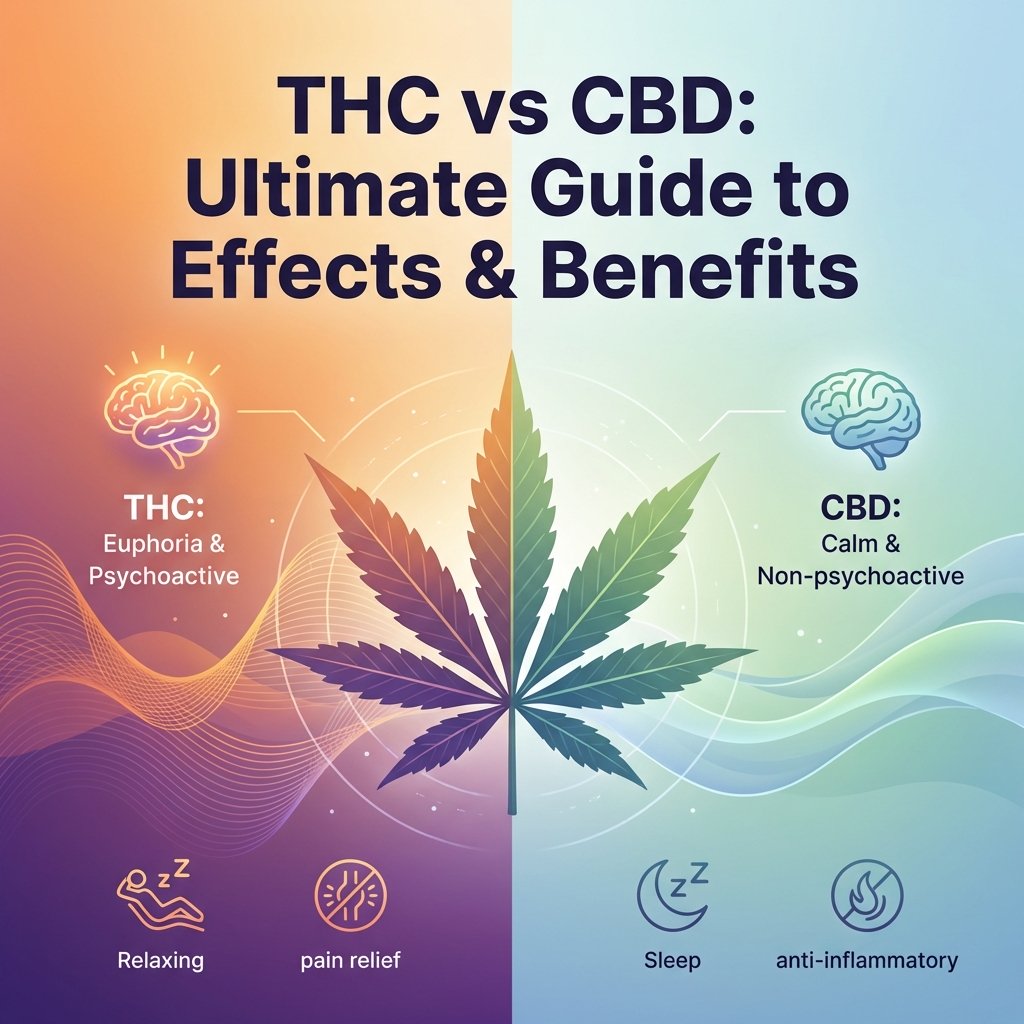
THC vs CBD: Ultimate Guide to Effects & Benefits
THC vs CBD has sparked endless debates among cannabis enthusiasts, medical users, and curious newcomers alike. These two powerhouse cannabinoids from the cannabis plant offer distinct experiences and health potential, but understanding their differences can help you make informed choices. Whether you’re seeking pain relief, relaxation, or something else entirely, this guide breaks down everything you need to know about their effects, benefits, legal status, and more.
What is THC?
Tetrahydrocannabinol, or THC, is the primary psychoactive compound in cannabis. It’s the molecule responsible for the “high” most people associate with marijuana. When you consume THC, it binds to CB1 receptors in the brain, mimicking the body’s natural endocannabinoids like anandamide. This interaction triggers a cascade of effects, from altered perception to heightened sensory experiences.
THC exists in two main forms: Delta-9-THC, the most abundant and potent, and Delta-8-THC, a milder variant gaining popularity for its smoother ride. Found in higher concentrations in marijuana strains, THC levels can range from 5% to over 30% in modern hybrids.
What is CBD?
Cannabidiol, known as CBD, takes a different path. Unlike THC, CBD doesn’t produce a psychoactive high. Instead, it interacts indirectly with the endocannabinoid system, influencing CB2 receptors more prominently and modulating other neurotransmitters like serotonin and GABA. This makes CBD a favorite for daytime use without the fog of intoxication.
CBD is abundant in hemp plants, where it’s legally extracted for oils, gummies, and topicals. Concentrations can hit 20% or more in specialized strains, and it’s often paired with trace THC in full-spectrum products for the “entourage effect,” where cannabinoids enhance each other’s benefits.
THC vs CBD: Key Chemical Differences
Diving into THC vs CBD chemically reveals fascinating contrasts. Both are cannabinoids with similar molecular structures—THC has 21 carbon atoms arranged in a specific way that allows it to fit snugly into brain receptors, creating euphoria and altered time perception. CBD’s structure is close but shifted just enough to avoid psychoactivity; it acts more like a regulator, potentially blocking THC’s intoxicating effects when combined.
| Aspect | THC | CBD |
|—————–|——————————|——————————|
| Psychoactive? | Yes (causes high) | No |
| Molecular Weight | 314.45 g/mol | 314.46 g/mol |
| Receptor Binding | Strong CB1 affinity | Indirect, modulates others |
| Common Source | Marijuana | Hemp |
These differences explain why THC dominates recreational use while CBD shines in wellness products.
THC vs CBD: Effects on the Body
When comparing THC vs CBD effects, the psychoactive divide is stark. THC delivers euphoria, giggles, munchies, and time distortion—ideal for creativity boosts or social fun. At higher doses, it can spark anxiety or paranoia, especially in novices. Physically, it relaxes muscles, reduces nausea, and dulls pain via anti-inflammatory pathways.
CBD, by contrast, promotes calm without impairment. Users report reduced anxiety, better focus, and improved sleep. It excels in seizure control, as seen in FDA-approved Epidiolex for epilepsy. Both influence appetite (THC stimulates, CBD neutralizes), but CBD’s anti-inflammatory prowess aids conditions like arthritis without sedation.
Short-term effects kick in within minutes via vaping/inhaling or 30-90 minutes orally. Long-term, tolerance builds faster with THC, requiring breaks.
THC vs CBD: Health Benefits and Research
THC vs CBD benefits cater to different needs, backed by growing science. THC shines for chronic pain (studies show 30-50% reduction in neuropathic pain), chemotherapy-induced nausea, and appetite loss in AIDS patients. Multiple sclerosis trials highlight its muscle spasticity relief.
CBD steals the spotlight for anxiety disorders—a 2019 study found 79% of patients experienced less stress. It’s neuroprotective, with promise for PTSD, depression, and even schizophrenia symptoms. Both combat inflammation, but CBD’s non-addictive profile makes it safer for daily use. Emerging research explores THC+CBD combos for fibromyalgia and cancer symptom management.
Always consult a doctor; while promising, most evidence is preliminary.
Potential Side Effects and Risks
No discussion of THC vs CBD is complete without risks. THC’s downsides include dry mouth, red eyes, impaired memory, and dependency risk (about 9% of users). High doses amplify heart rate and psychosis vulnerability in predisposed individuals.
CBD is gentler, with rare side effects like drowsiness or diarrhea at mega-doses (over 1,500mg). Drug interactions are possible—CBD inhibits liver enzymes, affecting meds like blood thinners. Purity matters; third-party tested products minimize contaminants.
Legal Status and Consumption Methods
Legality varies: THC remains federally illegal in the US (Schedule I) but legal recreationally in 24 states. CBD from hemp (<0.3% THC) is federally legal via the 2018 Farm Bill.
Methods include oils (sublingual for fast absorption), edibles (long-lasting), topicals (localized relief), and vapes (quick onset). Start low: 2.5-5mg THC or 10-25mg CBD.
How to Choose: THC vs CBD for Your Needs
Selecting between THC vs CBD boils down to goals. Nighttime pain? Try indica THC strains. Daily anxiety? Broad-spectrum CBD. Hybrids offer balance. Track effects with a journal and consider ratios (1:1 for synergy).
Final Thoughts
THC vs CBD isn’t a battle—it’s about complementarity. THC energizes the mind, CBD soothes the body, together unlocking cannabis’s full potential. With science evolving, stay informed and responsible. Whether medicating or exploring, quality sources and moderation pave the way to optimal wellness.
(Word count: 912)